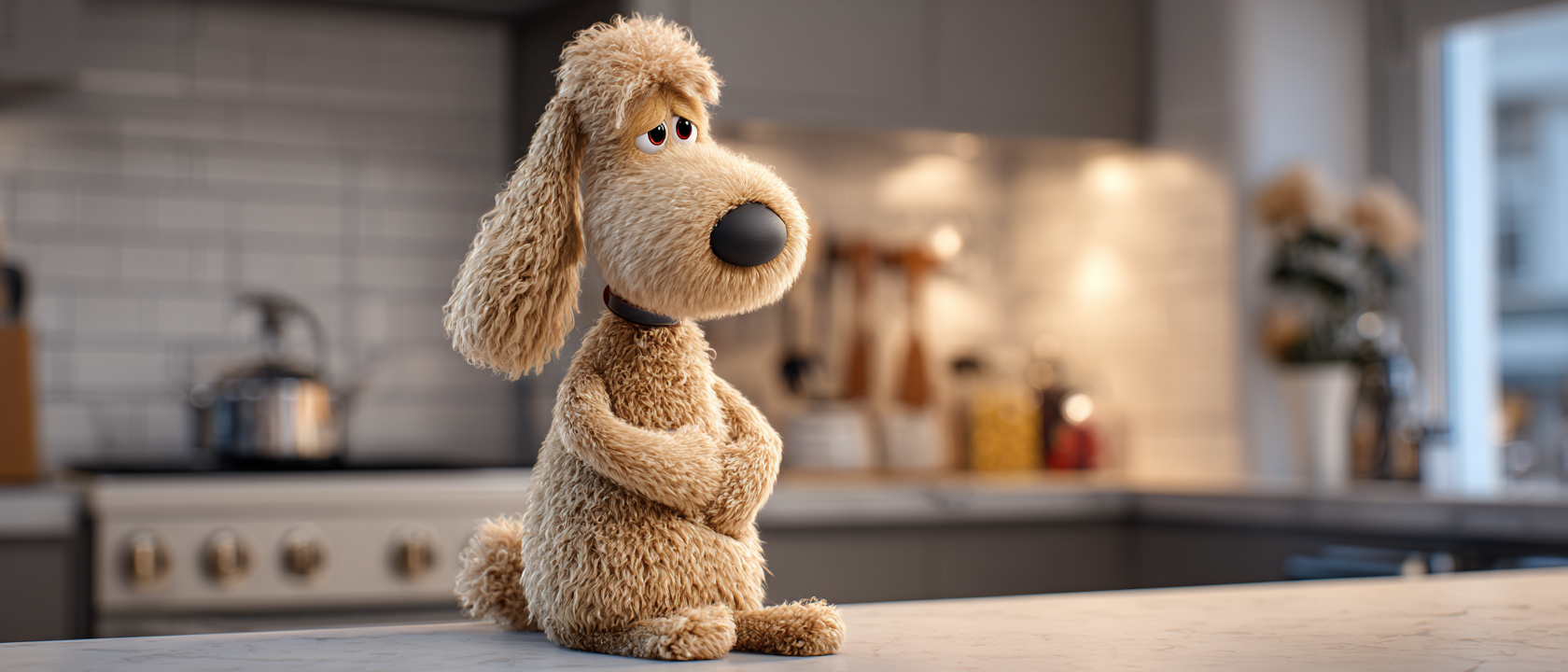
Why Is My Dog So Anxious?
Why Is My Dog So Anxious?
Causes, Symptoms, and Proven Ways to Calm an Anxious Dog
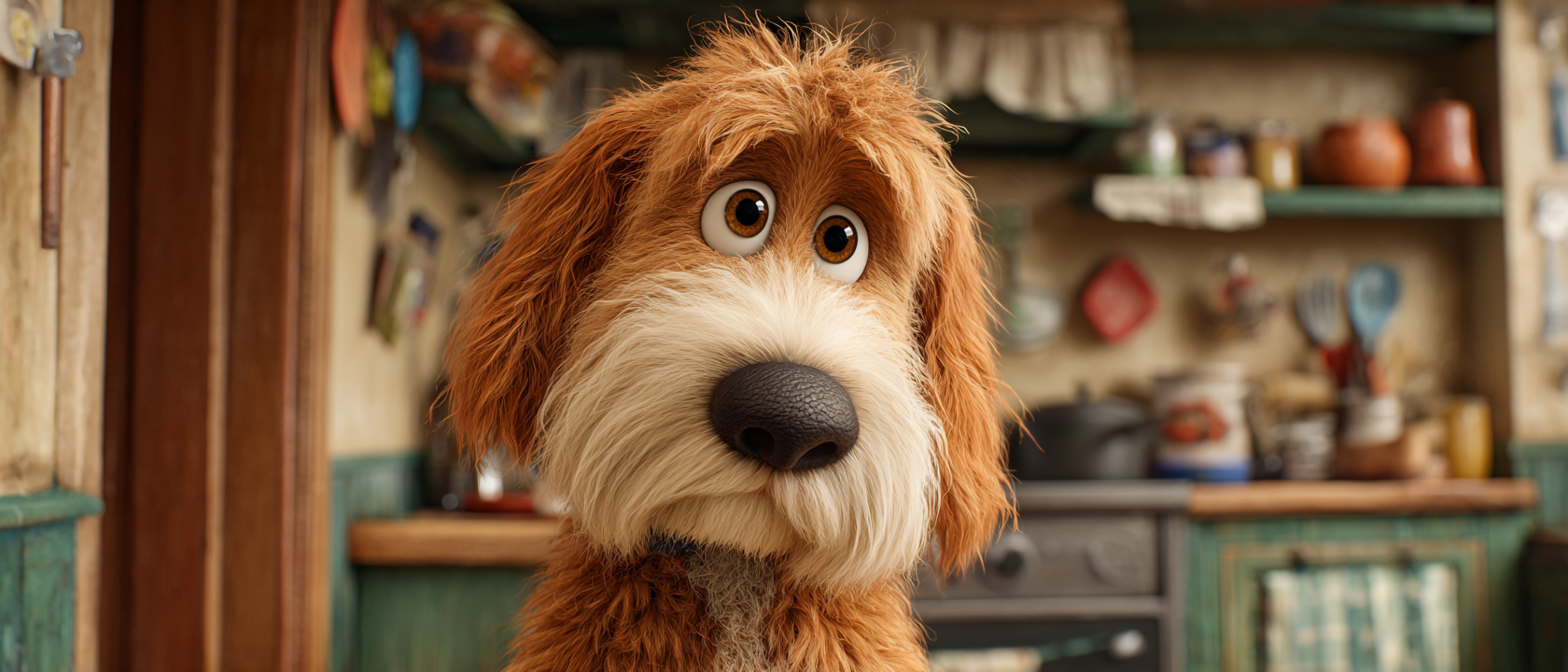
Dog anxiety is one of the most searched dog-behavior topics —and for good reason.
Millions of dog owners are dealing with trembling, pacing, barking, hiding, destruction, or full-blown panic and wondering the same thing:
“Why is my dog so anxious… and how do I fix it?”
If that’s you, take a breath. You’re not failing your dog. Anxiety is common, understandable, and—most importantly—manageable with the right approach.
This in-depth guide will walk you through:
- What dog anxiety actually is
- The most common causes of anxiety in dogs
- Clear signs and symptoms to watch for
- What not to do (this matters more than people realize)
- Proven, practical ways to calm an anxious dog—naturally and safely
No gimmicks. No yelling. No “just dominate them” nonsense. Just calm, clear help—for you and your dog.
What Is Dog Anxiety?
Dog anxiety is a state of heightened fear, stress, or worry that doesn’t shut off easily.
It’s not disobedience. It’s not stubbornness.
And it’s definitely not your dog being “bad.”
An anxious dog is a dog whose nervous system is stuck in fight-or-flight mode.
Some dogs experience anxiety only in certain situations (like thunderstorms or fireworks). Others live in a constant state of low-level stress that flares up unpredictably.
Common Types of Dog Anxiety
- Separation anxiety – distress when left alone
- Noise anxiety – fear of loud or sudden sounds
- Social anxiety – discomfort around people or dogs
- Environmental anxiety – stress triggered by new places or changes
- Generalized anxiety – ongoing unease without a clear trigger
Understanding which type your dog struggles with is the first step toward helping them.
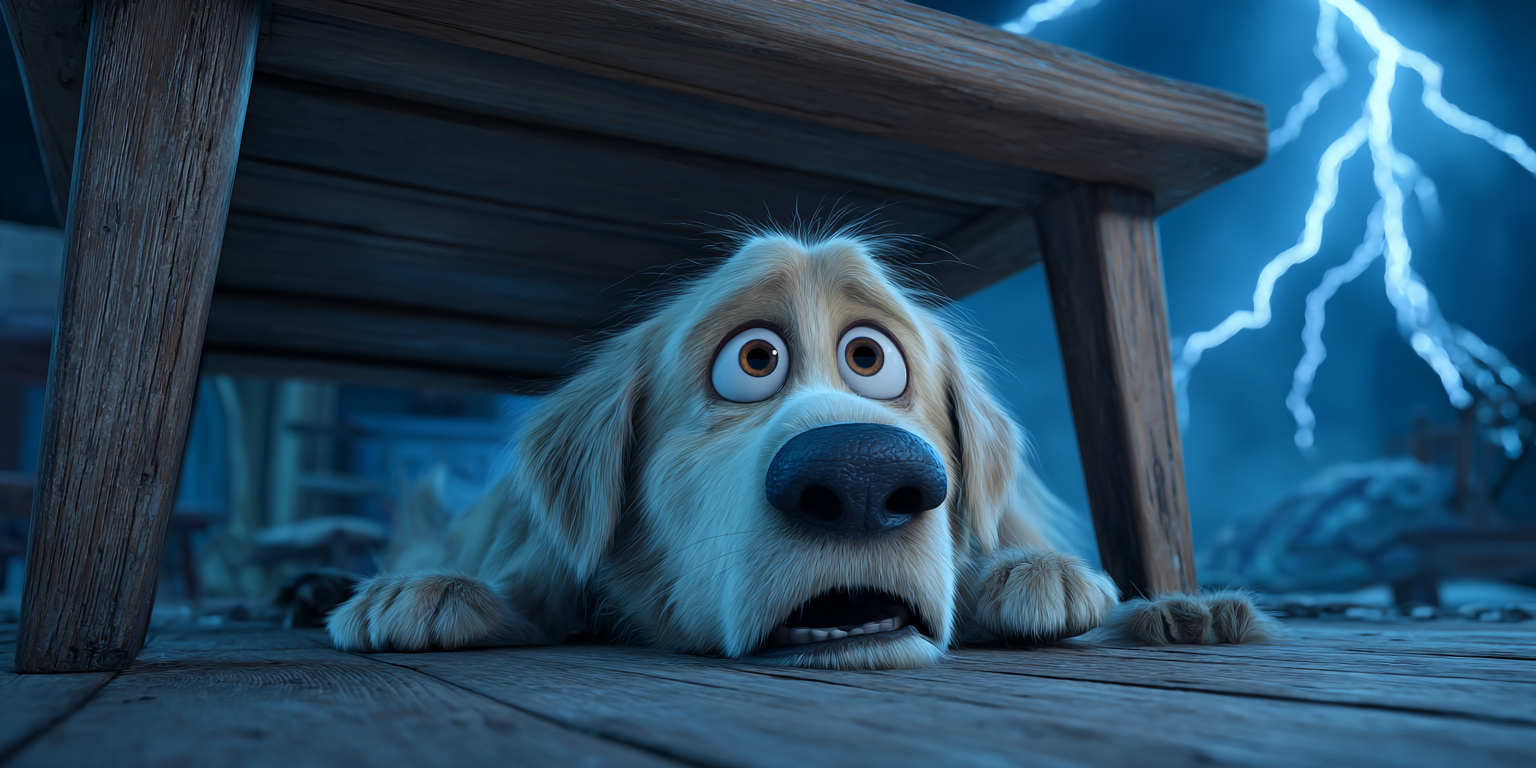
Signs of Anxiety in Dogs (Many Are Easy to Miss)
Not all anxious dogs shake or cry. Some anxiety signs are subtle—and often misunderstood.
Obvious Signs
- Trembling or shaking
- Panting when it’s not hot
- Hiding or trying to escape
- Whining, barking, or howling
- Destructive chewing or digging
Less Obvious (But Very Common)
- Excessive licking or chewing paws
- Yawning when not tired
- Pacing or restlessness
- Freezing or “shutting down”
- Refusing food in stressful situations
Severe Anxiety Red Flags
- Self-injury (chewing skin raw, breaking teeth trying to escape)
- Panic diarrhoea or vomiting
- Aggression caused by fear
If you’re seeing severe symptoms, your dog isn’t being dramatic—they’re overwhelmed.
Why Is My Dog So Anxious? (The Real Causes)
Dog anxiety rarely comes from one thing.
It’s usually a combination of biology, experience, and environment.
1. Genetics and Temperament
Some dogs are simply born more sensitive. Certain breeds and individual dogs have nervous systems that react faster and stronger to stress.
That doesn’t make them weak. It makes them wired differently.
2. Lack of Early Socialization
Dogs that missed positive exposure to:
- People
- Sounds
- Environments
- Other dogs
during puppyhood may struggle later in life. Their brain learned “unknown = danger.”
3. Past Trauma or Negative Experiences
Rescue dogs, rehomed dogs, or dogs that experienced:
- Neglect
- Harsh training
- Attacks
- Long periods of isolation
may carry emotional scars that show up as anxiety.
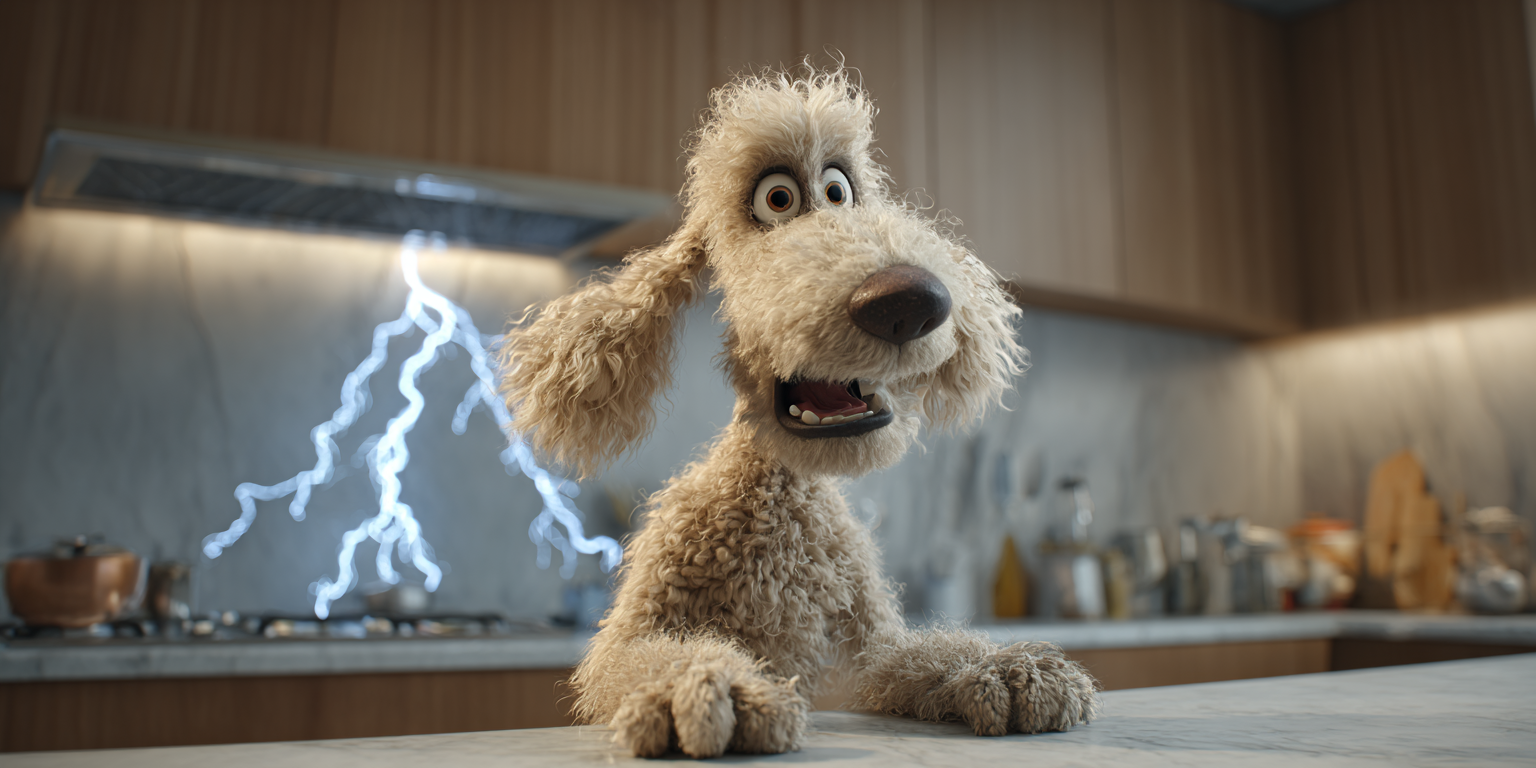
4. Noise Sensitivity (Fireworks & Thunderstorms)
Loud, unpredictable sounds trigger a primal fear response.
Dogs don’t understand that fireworks are “fun.” To them, the sky is exploding.
5. Inconsistent Routines
Dogs thrive on predictability.
Big changes—new schedules, new homes, new family members—can unsettle them deeply.
6. Human Stress (Yes, Really)
Dogs read us incredibly well.
Anxious households often produce anxious dogs—not because owners are bad, but because dogs mirror emotional energy.
What NOT to Do With an Anxious Dog
This part is critical.
Many well-meaning owners accidentally make anxiety worse.
❌ Don’t Punish Anxiety
Punishment confirms your dog’s fear:
“I was scared… and then bad things happened.”
That teaches them to panic silently, not calmly.
❌ Don’t Force Exposure
Dragging a terrified dog toward their fear doesn’t “teach bravery.” It teaches helplessness.
❌ Don’t Over-Coddle During Panic
Comforting isn’t bad—but frantic reassurance can reinforce panic if done at the peak of fear.
The goal is calm presence, not emotional flooding.
How to Calm an Anxious Dog: What Actually Works
There’s no single magic fix—but there is a proven framework.
1. Create a Safe Space
Every anxious dog needs a place that feels secure.
This might be:
- A crate with a cover
- A quiet room
- A corner with familiar bedding
This space should never be used for punishment. It’s your dog’s emotional anchor.
2. Predictable Routines
Regular feeding times
Regular walks
Regular rest
Predictability tells your dog:
“The world makes sense. I’m safe.”
3. Exercise the Brain (Not Just the Body)
Mental stimulation reduces anxiety more effectively than endless physical exercise.
Try:
- Snuffle mats
- Food puzzles
- Basic training games
A tired brain = a calmer dog.
4. Desensitization (Done Properly)
Gradual, controlled exposure to triggers—below your dog’s fear threshold—rewires emotional responses over time.
Example:
- Fireworks sounds played quietly during calm moments
- Slowly increasing volume over weeks
Slow wins. Rushing backfires.
5. Calm Handling and Communication
Soft voice
Slow movements
Clear, consistent cues
An anxious dog doesn’t need hype.
They need stability.
Natural Remedies for Dog Anxiety
Many dog owners prefer natural options—and when used correctly, they can help.
Common Natural Supports
- Calming chews or supplements (with ingredients like chamomile or L-theanine)
- Pheromone diffusers or sprays
- Weighted or pressure wraps
- Calming music designed for dogs
These tools don’t “fix” anxiety—but they lower the emotional volume so learning can happen.
Separation Anxiety in Dogs
Separation anxiety deserves special attention because it’s one of the most distressing—for dogs and owners.
Signs of Separation Anxiety
- Destruction only when alone
- Excessive vocalization after you leave
- Toileting indoors despite being house-trained
What Helps
- Gradual departures (seconds → minutes → hours)
- Neutral exits and arrivals
- Independence-building exercises
This is not about teaching your dog to “toughen up.” It’s about teaching them confidence.
Anxiety During Fireworks and Thunderstorms
This is one of the most searched dog anxiety issues in the US—and one of the hardest on dogs.
How to Help
- Close curtains and reduce noise
- Provide a safe, enclosed space
- Stay calm and neutral
- Use calming aids before the event starts
Preparation beats panic every time.
When to Talk to a Vet or Professional
If anxiety is:
- Severe
- Escalating
- Leading to injury
Professional guidance matters. A veterinarian or qualified behavior professional can rule out medical issues and create a tailored plan.
Medication isn’t failure. For some dogs, it’s a bridge that allows learning and healing to occur.
Can Dog Anxiety Be Cured?
Here’s the honest answer:
Some dogs fully
overcome anxiety.
Some learn to
manage it beautifully.
Some will always be
sensitive—but calm, happy, and functional.
The goal isn’t perfection.
The goal is
a dog who feels safe in their world.
Final Thoughts: You’re Not Alone
If your
dog is anxious, you’re not weak.
If you’re overwhelmed, you’re not failing.
If progress feels slow, you’re still moving forward.
Anxiety doesn’t mean your dog is broken.
It means they’re asking for clarity, safety, and leadership.
Give them that—and you’ll be amazed what changes.