What Is a Good Natural Remedy to Help With Dog Anxiety in Storms and Fireworks
Dog Anxiety in Storms and Fireworks. Natural Remedies to Help.

If your dog shakes, hides, pants, paces, or tries to escape during storms or fireworks, you’re not alone.
Noise anxiety is one of the most common behavioural issues dog owners face — especially around thunderstorms, New Year’s Eve, and fireworks season.
The good news?
You don’t need to sedate your dog or “just put up with it.”
There are effective, natural remedies that can significantly reduce anxiety — when used correctly.
This guide explains:
- Why storms and fireworks trigger anxiety
- What natural remedies actually work
- How to use them safely and effectively
- What to avoid (this matters more than you think)
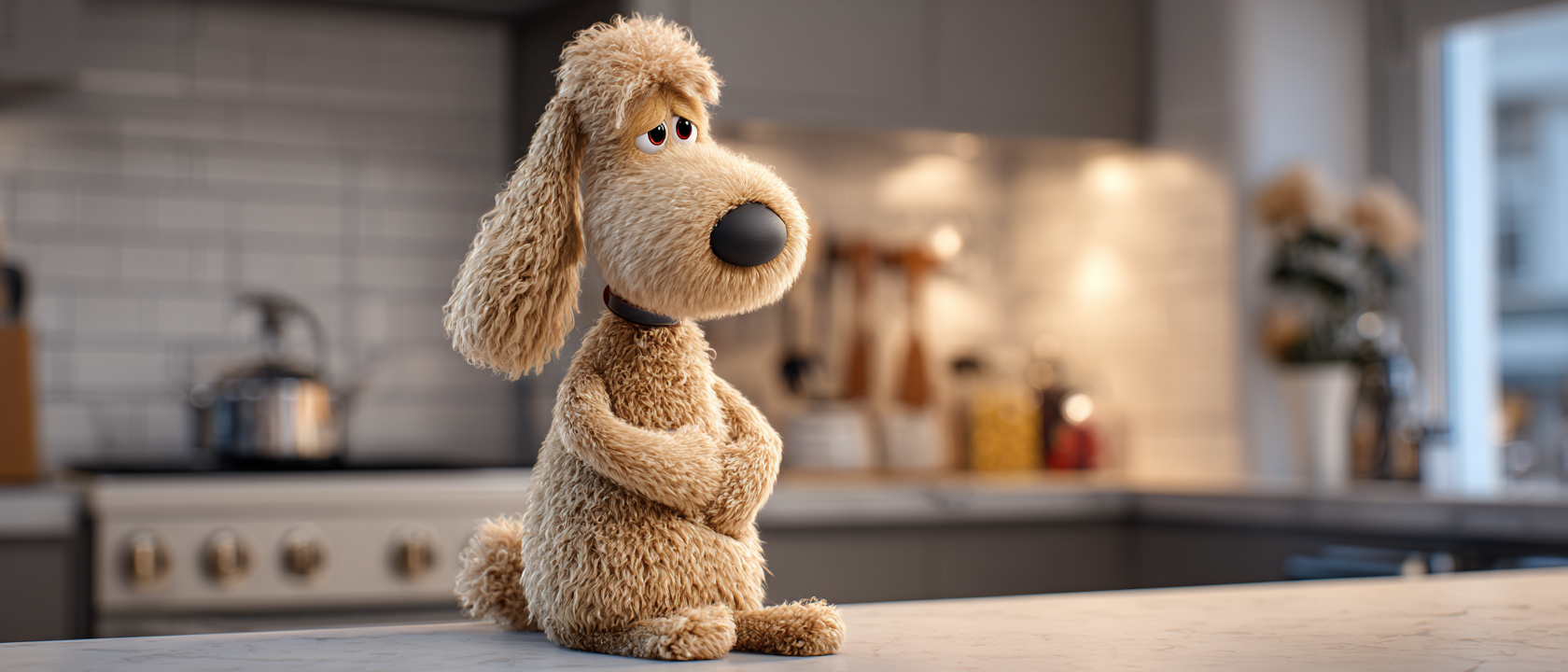
And yes — Grumpy Old Max has a few opinions along the way 🐶😏
Why Are Dogs So Afraid of Storms and Fireworks?
To us, fireworks are annoying.
To dogs, they’re unpredictable explosions with no visible source.
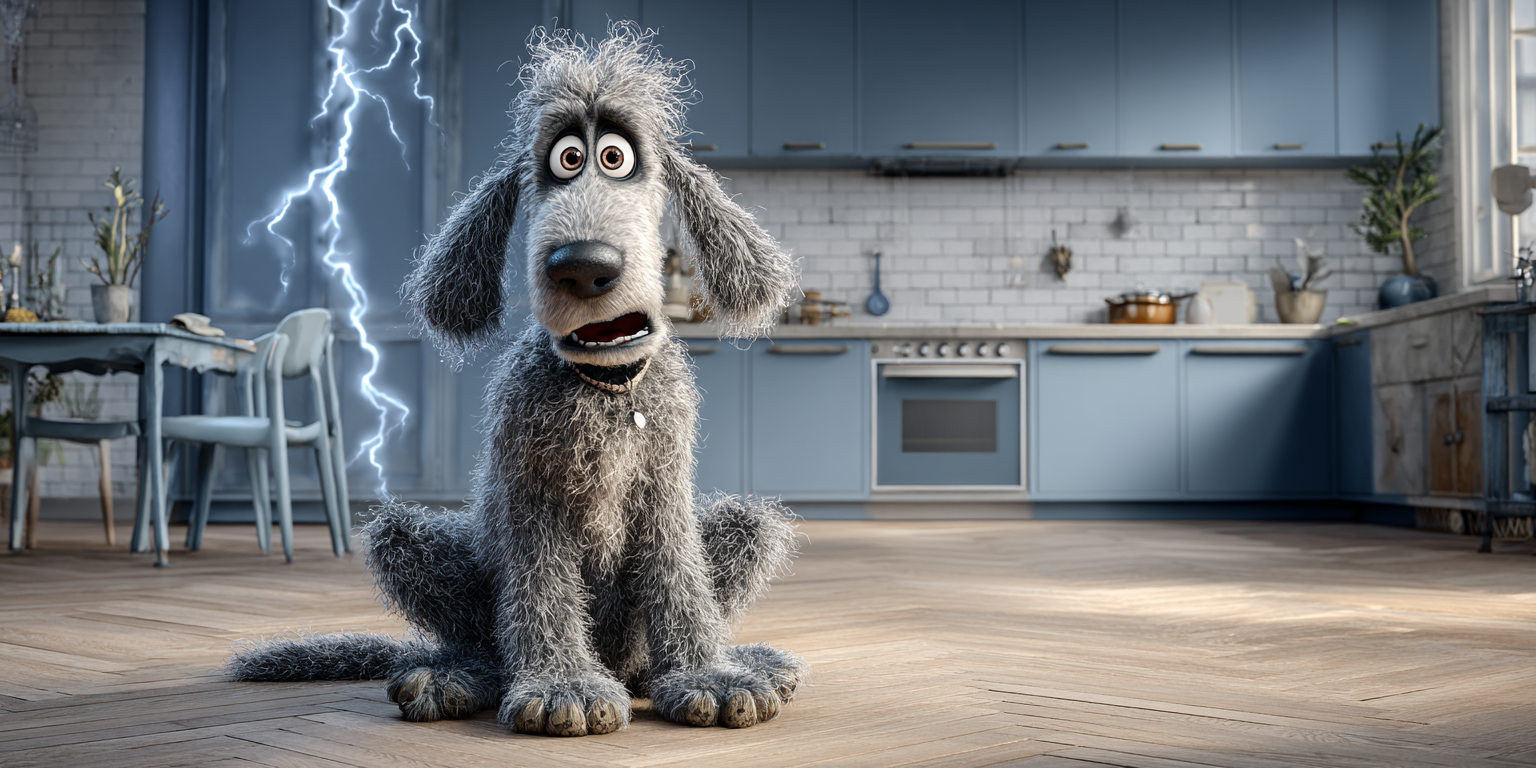
Dogs experience storms and fireworks as:
- Sudden loud noises
- Vibrations through the ground
- Pressure changes in the air
- Bright flashes of light
- Loss of control and escape options
Some dogs even sense barometric pressure changes before a storm begins — which is why they start panicking before you hear thunder.
Max mutters:
“You hear noise.
We feel chaos.”
What Does Dog Anxiety Look Like?
Signs of storm or fireworks anxiety include:
- Shaking or trembling
- Hiding in cupboards, bathrooms, or under beds
- Pacing or restlessness
- Excessive panting or drooling
- Barking, whining, or howling
- Destructive behaviour
- Attempts to escape the house or yard
Left unmanaged, this fear can worsen every year.
Do Natural Remedies for Dog Anxiety Actually Work?
Yes — but not as a single magic pill.
The most successful approach uses layered natural remedies that:
- Calm the nervous system
- Reduce sensory overload
- Restore a feeling of safety
- Support predictable routines
Let’s break down the most effective natural options.
1. Natural Calming Supplements (Backed by Science)
Natural calming supplements are one of the most reliable tools for storm and fireworks anxiety — when chosen wisely.
Look for ingredients like:
- L-Theanine – promotes relaxation without sedation
- Tryptophan – supports serotonin production
- Chamomile – gentle calming herb
- Passionflower – helps reduce panic responses
- Valerian root – useful for short-term, high-stress events
These ingredients help lower stress hormones and support a calmer emotional state.
Important:
They work best when given
30–60 minutes before the noise begins.
Max’s warning:
“Waiting till the fireworks start is like putting on a seatbelt after the crash.”
2. Pressure Therapy (ThunderShirts & Anxiety Wraps)
Pressure therapy is one of the most underrated natural remedies.
A ThunderShirt or anxiety wrap applies gentle, constant pressure — similar to a weighted blanket.
Benefits include:
- Reduced stress hormones
- Improved sense of security
- Immediate calming effect for many dogs
Pressure wraps work especially well for dogs that:
- Shake or freeze
- Seek tight hiding spots
- Become clingy or withdrawn
For best results, put the wrap on before anxiety begins, not during peak panic.
3. Creating a Safe “Den” Space
Dogs instinctively calm down in enclosed, protected spaces.
A safe den can dramatically reduce anxiety during storms and fireworks.
Ideal den setup:
- Crate, bathroom, wardrobe, or small room
- Blankets over sides to block light
- Familiar bedding and toys
- White noise, TV, or calming music
Many dogs naturally choose bathrooms or cupboards — that’s not random. It’s survival instinct.
Max says:
“If I choose the cupboard, don’t drag me to the couch.”
4. White Noise & Sound Masking
Silence makes noise anxiety worse.
White noise, brown noise, or low-volume TV helps:
- Mask sudden bangs
- Reduce contrast between quiet and loud sounds
- Create a predictable sound environment
Classical music, rain sounds, or steady fan noise often works better than silence.
5. Aromatherapy (Used Carefully)
Some scents — particularly lavender — may have calming effects on dogs.
Safe ways to use it:
- One drop on bedding (not directly on the dog)
- Dog-specific calming sprays
- Well-ventilated rooms only
Avoid strong diffusers or applying oils to your dog’s skin.
Natural does not mean harmless — less is more.
6. Pheromone Products (Natural & Drug-Free)
Pheromone sprays and diffusers mimic calming signals mother dogs naturally produce.
They can:
- Reduce environmental stress
- Help dogs feel safer in their space
- Support other calming methods
These work best as part of a system, not alone.
What NOT to Do During Storms or Fireworks
This part is crucial.
Avoid:
❌ Excessive cuddling during panic
❌Repeating “It’s okay” in a worried tone
❌ Scolding or correcting fearful behaviour
❌ Forcing dogs out of hiding
❌ Letting dogs outside unattended
Why?
Because fear + attention can reinforce anxiety.
Max explains it bluntly:
“If you panic, we panic.
If you’re boring, we calm down.”

The Most Effective Natural Approach (What Actually Works)
The best results come from combining tools, not relying on just one.
The proven stack:
✔ Natural calming supplement
✔ Pressure wrap
✔ Safe den space
✔ White noise
✔ Calm, predictable human behaviour
This layered approach works for most dogs — even those with severe noise sensitivity.
Can Anxiety Be Reduced Long-Term?
Yes.
On calm days, you can slowly reduce sensitivity using:
- Low-volume thunder sounds
- Treats or play during exposure
- Gradual volume increases over time
This process, called desensitisation, builds resilience and prevents anxiety from worsening each year.
When to Seek Extra Help
If your dog:
- Tries to escape violently
- Injures themselves
- Refuses food for extended periods
- Shows escalating fear year after year
Speak to a vet or qualified behaviour professional. Natural remedies are powerful — but some dogs need additional support.
Final Thoughts from Grumpy Old Max 🐶
“Fear doesn’t mean your dog is weak.
It means they need preparation — not pity.”
Storms and fireworks don’t have to be traumatic.
With the right natural remedies and a clear plan, you can help your dog feel safer — and restore peace to your home.