Puppy Toilet Training That Actually Works
Puppy Toilet Training That Actually Works
(Without Punishment, Guesswork, or Losing Your Sanity)

If you’re in the middle of puppy toilet training and feeling frustrated, exhausted, or even a little defeated — you’re not alone.
Every day, thousands of new puppy owners search questions like:
- Why does my puppy keep peeing inside?
- How long does it take to toilet train a puppy?
- Am I doing something wrong?
- Should I punish my puppy for accidents?
And most of the answers they find make things worse.
This guide is different.
You’re about to learn:
- Why puppies actually have accidents (and why it’s never spite)
- How puppy bladder control really develops
- Why punishment guarantees more accidents
- The predictable routine that successful owners use
- How to handle nights, apartments, and rescue dogs
- What progress really looks like (and what it doesn’t)
This is real-world puppy toilet training, not theory — explained simply, calmly, and honestly.
Why Puppy Toilet Training Feels So Hard
Puppy toilet training is one of the most emotionally draining parts of dog ownership — not because it’s complicated, but because expectations don’t match reality.
Most new owners assume:
- Puppies should “get it” after a few weeks
- Accidents mean the puppy isn’t learning
- Consistency alone is enough
In reality:
- Puppies need to toilet far more often than people expect
- Progress happens in small, uneven steps
- Accidents are part of learning, not a sign of failure
When expectations are wrong, frustration builds.
When frustration builds, owners change tactics too often.
And when tactics keep changing, puppies get confused.
That’s the cycle that keeps accidents happening.
Why Puppies Have Accidents (It’s Not Spite)
Let’s clear up the most damaging myth in puppy toilet training:
Puppies do not toilet inside to be naughty, stubborn, or vindictive.
Puppies have accidents for three main reasons:
- Immature bladder control
- Poor timing from humans
- Overstimulation or stress
None of these are behavioural problems.
They’re developmental realities.
Puppy Bladder Reality: Age vs Control
Understanding bladder development changes everything.
Here’s what’s realistic:
- 8–10 weeks:
Almost no bladder control. Puppies go when the urge hits.
- 10–12 weeks:
Brief control when calm, almost none when excited.
- 12–16 weeks:
Developing control, but still inconsistent and easily overwhelmed.
- 4–6 months:
Reliable if routines are consistent.
Expecting a young puppy to “hold it” because you want them to is like expecting a toddler to manage a full day without a bathroom break.
They can’t — and they’re not meant to.
Why Punishment Guarantees More Accidents
Punishment is still one of the most common pieces of toilet training advice — and one of the most harmful.
Here’s what punishment actually teaches a puppy:
- Toileting near humans is unsafe
- Humans become unpredictable during accidents
- Hiding accidents is better than signalling
What punishment does not teach:
- Where the toilet area is
- How to hold their bladder
- What behaviour you actually want
Many punished puppies stop toileting in front of their owners — not because they’re trained, but because they’re scared.
That leads to:
- Toileting behind furniture
- Toileting in other rooms
- Increased anxiety
- Slower training overall
A calm puppy learns faster than a fearful one. Every time.
The Real Secret to Puppy Toilet Training Success
Toilet training isn’t about being stricter.
It’s about being
predictable.
Puppies learn through:
- Repetition
- Immediate feedback
- Consistent routines
When those three things line up, learning accelerates.
When they don’t, accidents continue — no matter how patient you are.
The Predictable Puppy Toilet Training Routine That Works
Successful toilet training isn’t random.
Your puppy almost always needs to toilet at these moments:
- Immediately after waking up
- After eating
- After drinking
- After play
- After naps
- Before bedtime
Miss those windows, and accidents happen.
Hit them consistently, and habits form quickly.
This is why timing matters more than discipline.
How Often Should a Puppy Pee?
A common question — and a crucial one.
General guideline:
- Very young puppies: every 30–60 minutes
- Older puppies: every 1–2 hours
- After excitement: immediately
- After naps: immediately
Waiting longer doesn’t teach bladder control.
It just increases the chance of an accident.
Bladder strength develops with age, not willpower.
Why “Just Take Them Out More” Isn’t Enough
Many owners are told to simply “take the puppy out more often”.
The problem?
That advice lacks structure.
Without tracking:
- You don’t know patterns
- You don’t see improvement
- You don’t know what’s working
Tracking turns toilet training from emotional guesswork into a measurable process.
That’s where most people finally see progress.
Puppy Toilet Training at Night (The Hardest Part)
Night-time toilet training is where most owners feel overwhelmed.
Common mistakes include:
- Expecting puppies to sleep through the night too early
- Ignoring subtle wake-up signals
- Assuming night accidents mean training has failed
In reality:
- Many puppies need overnight toilet breaks early on
- Night-time success depends on daytime routines
- Calm, boring night trips speed learning
Night accidents are not setbacks — they’re feedback.
Crate Training and Night Toileting
Crates can help with toilet training, but only when used correctly.
A crate should:
- Be just large enough to stand and turn around
- Feel safe, not restrictive
- Never be used as punishment
Crates work because puppies naturally avoid soiling their sleeping area — but only if the timing is fair.
Expecting a young puppy to last all night in a crate sets them up to fail.
Puppy Toilet Training in Apartments or Indoors
Apartment living adds extra challenges:
- Longer distance to the toilet area
- Lifts, stairs, and delays
- Reliance on balconies or puppy pads
Indoor toilet training can still work when:
- Transitions are planned
- Timing is tighter
- The routine stays consistent
The key is clarity.
Your puppy needs one clear toilet option — not mixed signals.
Puppy Pads: Helpful or Harmful?
Puppy pads are neither good nor bad — they’re tools.
They help when:
- Outdoor access is limited
- Puppies can’t physically hold it
- Used as a temporary step
They hinder when:
- Used inconsistently
- Left available too long
- Mixed with outdoor training without a plan
Pads should support training, not replace it.
Toilet Training a Rescue Dog or Older Puppy
Rescue dogs and older puppies often struggle with toileting because:
- Their previous routine is unknown
- Stress causes regression
- New environments reset habits
The good news?
Dogs of any age can be toilet trained.
The key differences with rescue dogs:
- Slower transitions
- More emphasis on trust
- Extra patience during the first weeks
Regression is not disobedience — it’s adjustment.
What To Do When Accidents Happen
Accidents will happen.
How you respond determines how fast training progresses.
The Correct Accident Response
- Stay calm
- Interrupt gently if caught mid-accident
- Clean thoroughly (scent matters)
- Reset your routine
What Not To Do
- Yell
- Rub noses
- Punish after the fact
- Show frustration
Accidents are information.
They tell you timing needs adjusting — not discipline.
Cleaning Matters More Than You Think
If a puppy can smell previous accidents, they’re more likely to repeat them.
Use:
- Enzyme-based cleaners
- Proper saturation
- Avoid ammonia products
Scent triggers habits.
How Long Does Puppy Toilet Training Take?
Another common misconception: toilet training happens in a few days.
Realistic expectations:
- Noticeable improvement: within 7 days of a consistent routine
- Reliable habits: over weeks
- Full maturity: months
Progress looks like:
- Fewer accidents
- Faster signalling
- Better timing
Perfection comes later.
Why Most Toilet Training Advice Fails
Most advice fails because it:
- Assumes puppies “should know”
- Ignores bladder development
- Focuses on correction instead of habit-building
- Relies on memory instead of tracking
The owners who succeed remove guesswork.
A Simple Reset That Makes Everything Click
When owners finally succeed, it’s usually because they:
- Simplified the routine
- Stopped changing strategies
- Started tracking timing
- Responded calmly to mistakes
Structure creates clarity.
Clarity creates confidence.
Confidence accelerates learning.
The 7-Day Puppy Toilet Training Reset (That Actually Works)
If you’re tired of conflicting advice and want a clear, printable, step-by-step plan, the next step is structure.
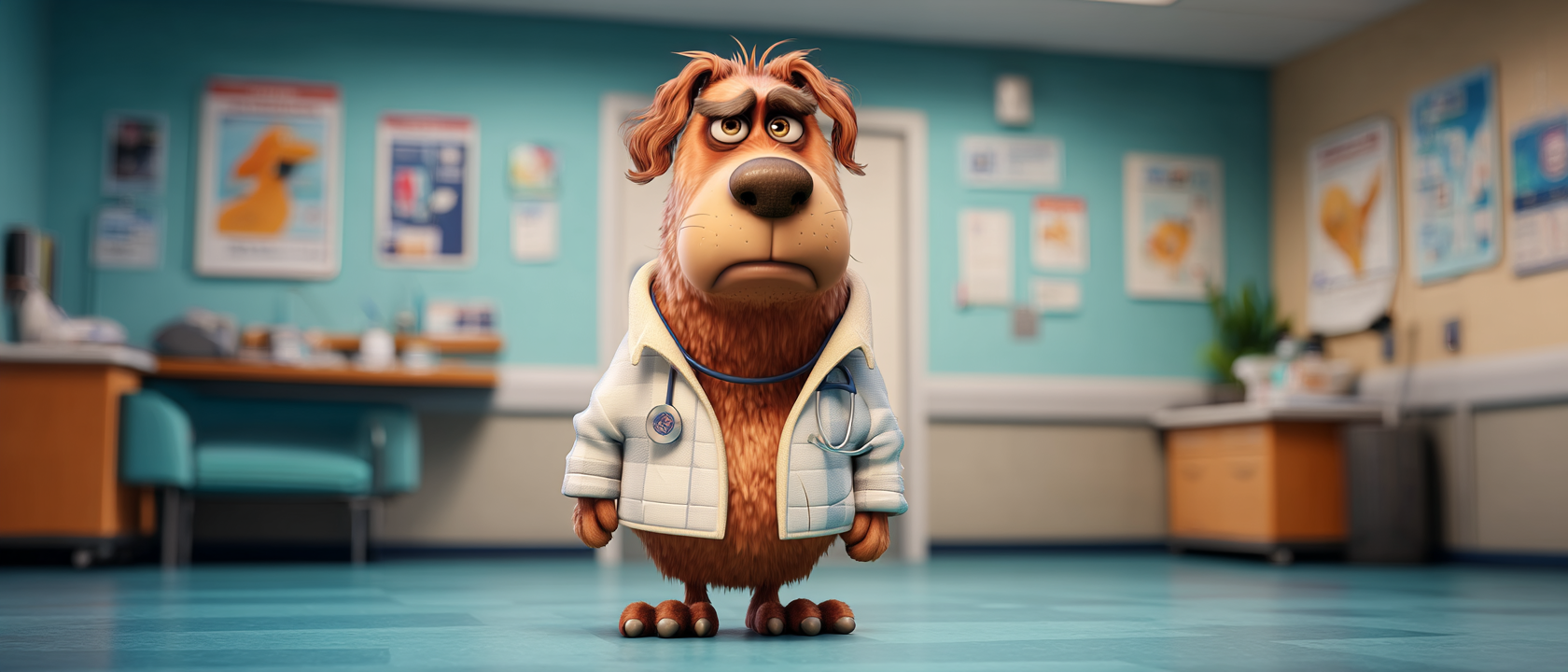
The 7-Day Puppy Toilet Training Reset by Grumpy Old Max gives you:
- A predictable daily routine
- Printable tracking charts
- Night-time strategies
- Apartment and rescue adaptations
- A calm, punishment-free approach
It removes confusion and replaces it with clarity.
👉
Learn more about the 7-Day Puppy Toilet Training Reset here
(Internal link to sales page)
Final Word from Grumpy Old Max 🐾
“You don’t need to be stricter.
You don’t need to be louder.
You just need a better plan.”
Toilet training doesn’t have to be miserable — it just has to make sense.